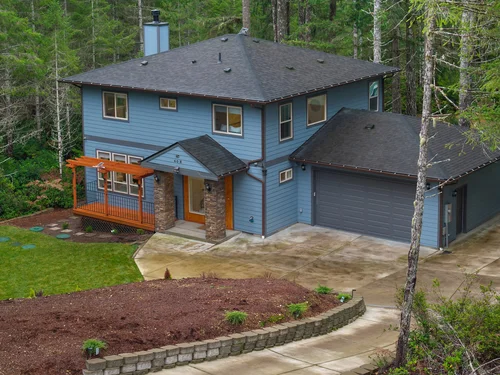
Bad listing photos cost more than the money you saved by hiring cheap. They cost showings. They cost offers. In some cases they cost the listing itself, because sellers eventually fire agents whose marketing underperforms.
Choosing a real estate photographer is not complicated, but most people skip the steps that would actually tell them whether someone is good. They look at one or two portfolio images and make a decision. That is not enough.
Here is what separates a skilled real estate photography provider from someone who owns a camera and calls themselves a photographer.
Portfolio Evaluation: What to Actually Look At
Lighting Consistency Across Multiple Properties
One great photo proves nothing. Look at a photographer’s last ten listings, not their best work. Are the interiors consistently bright without looking blown out? Do the kitchens and living rooms hold the same color tone across different homes with different natural light conditions? Inconsistency here usually means the photographer is relying on post-processing to rescue poorly lit shots rather than getting the exposure right in camera.
How They Handle Windows
Window exposure is the hardest problem in interior real estate photography. A room with a window behind a couch will either have a properly exposed room with a white washed-out window, or a properly exposed view with a dark room. HDR exposure blending solves this by merging multiple exposures. Look at a photographer’s window-facing shots specifically. If the view outside is always blown out to pure white, they are not doing HDR blending. If both the room and the view look natural, they are.
Turnaround Time and Delivery Process
The real estate business does not wait. A listing goes live when it is ready, not when the photographer is done editing at their own pace. Standard turnaround in this industry is 24 hours from shoot completion, with some photographers offering same-day delivery for an added fee. If a photographer cannot commit to a specific delivery window, that is a workflow problem that will show up repeatedly.
Ask how images are delivered. High-resolution files via a download link are standard. Some photographers upload directly to the MLS, which saves the agent a step. Others hand over a USB drive, which is a sign they are behind on their process.
Equipment Matters, But Not the Way People Think
And this is where it gets interesting. Most sellers and even some agents assume that a more expensive camera automatically produces better listing photos. It does not. A photographer with a mid-range Canon or Nikon and strong lighting technique will consistently outperform someone with a flagship Sony mirrorless who does not know how to position light sources or blend exposures.
What actually matters in the equipment category is the lens. A rectilinear wide-angle lens in the 16mm to 24mm range on a full-frame sensor is what produces the clean, undistorted room shots buyers expect. A phone camera or a kit lens at 35mm produces a cramped, narrow view that makes rooms look smaller than they are.
Pricing Structure and What It Signals
Flat-rate packages are almost always better for agents booking multiple listings per month. Per-image pricing creates uncertainty and sometimes incentivizes photographers to shoot fewer images to protect their margin. A clear package with a defined image count, set turnaround, and stated extras like twilight or drone at a quoted add-on price is the sign of an organized professional.
Extremely low pricing often means the photographer is shooting at volume, spending less time per property, and using batch editing that flattens all the images to look the same. This is visible in the portfolio. Every home looks like it has the same orange-tinted color grade, regardless of the actual finishes inside.
Frequently Asked Questions
What is real estate photography exactly?
Real estate photography is a specialized service focused on capturing properties for sale or rent in a way that appeals to online buyers. It differs from general photography in its use of wide-angle lenses, HDR processing, and a focus on room size, natural light, and architectural accuracy.
How does real estate photography work as a service?
A photographer schedules a shoot at the property, captures a structured set of interior and exterior images, edits them for color and exposure, and delivers the final files digitally. Most providers include a set number of images in a base package with add-ons available for specialty shots.
What is the difference between HDR photography and standard real estate photography?
HDR photography blends multiple exposures of the same shot to capture full detail in both bright and dark areas of a room. Standard single-exposure photography cannot do this without sacrifice. HDR is now considered standard practice for professional real estate photography, not a premium add-on.
Who benefits most from professional real estate photography?
Agents with active listing pipelines, sellers with homes above the median price point, builders marketing completed projects, and vacation rental hosts competing in saturated markets all see a clear return from professional photography. The investment scales with the value of the asset being marketed.
How do I choose between multiple real estate photographers?
Compare portfolios across five to ten recent listings each, not showcase images. Confirm turnaround times in writing. Ask for references from agents who book them regularly. A photographer who is a first choice for multiple active agents in your market is a reliable signal of consistent quality.
About the Author