First-time visitors to Arkansas for a guided duck hunt often arrive with questions they didn’t know to ask until they were already on the road. What’s the lodge like? Who handles the birds after the hunt? Do I need to bring my own waders? Is there food between hunts?
This guide answers those questions completely. Think of it as the insider’s guide to planning and experiencing an Arkansas guided duck hunt with Cupped Wings — covering everything from pre-trip preparation to what happens on your last morning before heading home.
Table of Contents
- Before You Go: Preparation and Planning
- Arriving at the Lodge: What to Expect
- The Morning Hunt: Step by Step
- Post-Hunt Routine and Afternoon Activities
- Bird Processing: What Happens to Your Harvest
- Meals Throughout Your Stay
- FAQ
Before You Go: Preparation and Planning
Good preparation separates smooth trips from stressful ones. Here’s what to handle before you leave home.
Licenses and Permits
Arkansas duck hunting requires:
- Arkansas Resident or Non-Resident Hunting License
- Federal Duck Stamp (required for all waterfowl hunters 16 and older)
- Arkansas Waterfowl Permit
All can be purchased online or at license vendors. Purchase before arrival — don’t count on being able to handle this at the lodge.
Gear to Pack
Cupped Wings provides hunting equipment (decoys, calls, blinds), so your personal gear list is focused:
- Shotgun rated for non-toxic shot
- Non-toxic ammunition (steel or approved alternatives)
- Chest waders (essential for timber hunting)
- Warm, waterproof outer layers
- Moisture-wicking base layers
- Camo hat and face mask
- Personal hearing protection
- Personal identification and hunting licenses (hard copies recommended)
What You Don’t Need to Bring
- Decoys
- Duck calls (guide provides, though you may bring your own)
- Blinds or layout blind equipment
- Wader repair kit (the lodge typically has emergency supplies)
Arriving at the Lodge: What to Expect
Your first impression of the Cupped Wings operation begins at arrival. The lodge environment is casual and welcoming — expect to be greeted by staff who are familiar with incoming guests and ready to help you get settled.
Orientation Process
New guests typically receive a brief orientation covering:
- Lodge layout and room assignments
- Daily schedule overview
- Tomorrow’s hunt plan (when available from scouting)
- Gear storage and drying facilities
- Meal times and common area use
This orientation removes ambiguity and lets you focus on relaxing before an early morning.
First Evening
Dinner on your first night is a chance to meet other hunters in camp, learn from returning guests about what to expect, and get mentally prepared for the following morning. Guides may share scouting reports from the day that give you a preview of the following hunt.
The Morning Hunt: Step by Step
Duck hunting mornings have a rhythm. Here’s how it typically flows at Cupped Wings.
3:30–4:30 a.m. — Wake-up. Yes, this early. Waterfowl hunting requires reaching hunting locations before legal shooting time, which means leaving well before dawn.
4:30–5:00 a.m. — Breakfast in the lodge dining area. This is a full meal — not coffee and a granola bar. Guides are present and walking through the morning’s plan.
5:00–5:30 a.m. — Gear up and load into vehicles. Trucks or ATVs carry hunters to boat launches or field access points depending on the hunting location.
5:30–6:00 a.m. — Arrival at the hunting location. Guides set up decoys, arrange blinds, and position hunters. If you’re in timber, this involves wading to position.
Shooting time — Legal shooting begins roughly 30 minutes before sunrise. From this moment, the hunt is active until the guide calls it.
Hunt end — Most hunts wrap naturally by 9:00 or 10:00 a.m. as bird movement slows. Return to the lodge follows.
Post-Hunt Routine and Afternoon Activities
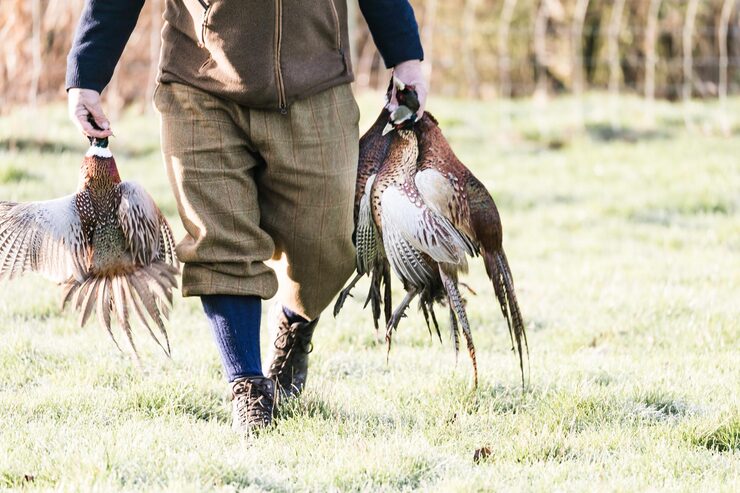
Coming back from a morning hunt with birds in hand is one of hunting’s most satisfying feelings. The afternoon routine at Cupped Wings is structured to maximize rest and recovery.
Immediate post-hunt: Birds are collected and transferred to processing. Wet gear goes to drying areas. Hunters are free to shower and change.
Late morning: Brunch or lunch is typically available. This meal bridges the gap between hunt breakfast and evening dinner.
Afternoon: Rest is the primary activity for most hunters. A nap before an early wake-up is one of the best investments you can make. Some guests choose to join guides for afternoon scouting if offered.
Evening: Dinner is the social gathering of the day. Groups trade stories, review footage, and build anticipation for tomorrow’s hunt.
Bird Processing: What Happens to Your Harvest
Birds collected after each hunt are processed on-site at Cupped Wings. The process is handled promptly to preserve meat quality — a detail that matters when you’re traveling home with birds.
Processing Options
Most operations offer:
- Breast-only processing — the most common request; quick and clean
- Whole bird processing — for hunters who prefer the full bird
- Feather-on for mounting — if you’re planning a mount, notify the guide immediately after harvest
Processed birds are packaged and refrigerated. Multi-day guests’ birds accumulate in cold storage until the final morning.
Traveling with Your Birds
For drivers, a good cooler with ice handles everything. For flyers, birds must be packed in checked baggage per TSA rules. Cupped Wings’ team provides guidance on the best approach for your travel situation.
Meals Throughout Your Stay
The meal program at Cupped Wings is consistently highlighted by returning guests as a genuine highlight of the experience.
Pre-hunt breakfast: Substantial and hot. Eggs prepared to order, biscuits, gravy, protein options, fruit, coffee, and juice are standard.
Mid-day: Lunch or brunch options available on return from the morning hunt.
Evening dinner: Full Southern-style dinner in the lodge dining area. This is the main communal meal of the day.
FAQ
- What if I forget to bring something important?
The lodge team can often help with minor equipment gaps. For major items like waders, some operations maintain loaners. Communicate needs when you realize them — not after arrival. - Can I bring my dog to the lodge?
Policies on hunting dogs vary. Check with Cupped Wings directly before bringing your dog to ensure the lodge can accommodate them. - What should I do with empty shotgun shells in the blind?
Proper field etiquette means collecting all spent shells and removing them from the blind. Your guide will manage this as part of field cleanup. - Is there cell service or Wi-Fi at the lodge?
Coverage varies in rural Arkansas. It’s best to communicate your plans and expected contact availability with family before your trip in case service is limited. - How do I handle tip logistics for the guide?
Cash tips are standard. Ask other guests or lodge staff if uncertain about norms. Guides genuinely appreciate recognition for quality service.
Conclusion
An Arkansas guided duck hunt with Cupped Wings is one of the most complete and satisfying waterfowl experiences you can book anywhere. The details are handled, the guides are skilled, the birds are real, and the lodge makes the whole trip comfortable from first night to last morning.
Planning well in advance, packing correctly, and arriving with realistic expectations sets you up for everything to go exactly as you’ve been imagining. This guide gives you the foundation for that preparation. The rest happens in the blind.
About the Author