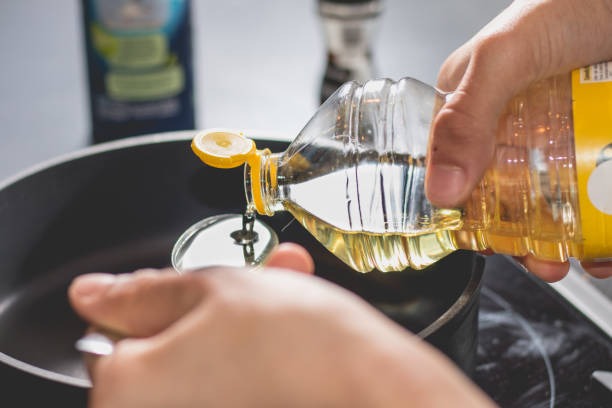
Cooking oil is a staple in almost every kitchen, but once it has been used, it often becomes an afterthought. Many people unknowingly dispose of it in ways that harm plumbing systems and the environment. Understanding how to recycle cooking oil is an easy step toward responsible waste management. Instead of treating used oil as rubbish, it can be collected and transformed into valuable renewable products. Thanks to modern waste cooking oil collection services, recycling has become simple for both households and businesses. Learning how to recycle cooking oil not only protects your home but also supports a cleaner and greener future.
Why How to Recycle Cooking Oil Should Be a Household Habit
Every time cooking oil is poured down the drain, it increases the risk of clogged pipes and blocked sewer systems. Over time, these blockages become expensive to repair and contribute to environmental pollution. Knowing how to recycle cooking oil helps eliminate these problems before they start.
Properly recycled oil can be processed into biodiesel and other industrial products, reducing waste while conserving natural resources. Choosing waste cooking oil collection instead of improper disposal allows used oil to become part of a sustainable recycling process rather than an environmental burden.
How to Recycle Cooking Oil With Simple Daily Practices
Recycling begins immediately after cooking. Allow the oil to cool naturally before handling it. Once cooled, strain out food particles and pour the oil into a clean, airtight container. Keeping the oil free from contamination improves its recycling value.
Store the sealed container in a cool, dry location until it is ready for waste cooking oil collection. Whether you recycle once a month or every few weeks, creating a regular schedule makes how to recycle cooking oil an effortless household habit.
Everyday Tips for Better Oil Recycling
Following a few simple practices can improve your recycling routine:
- Let used cooking oil cool completely before storing it.
- Use a sealed container to avoid leaks and unpleasant odors.
- Keep food scraps and cleaning chemicals out of the oil.
- Arrange waste cooking oil collection when the container is full.
These practical habits make how to recycle cooking oil safer, cleaner, and far more convenient.
Mistakes That Reduce Recycling Efficiency
One common mistake is disposing of oil while it is still hot. Hot oil can damage containers and increase the chance of accidental spills. Another mistake is mixing different household liquids with cooking oil, making recycling much more difficult.
Pouring oil into outdoor drains is equally harmful because it eventually reaches natural waterways. Understanding how to recycle cooking oil means avoiding these errors and relying on responsible waste cooking oil collection whenever possible.

Environmental Benefits of Proper Cooking Oil Recycling
Recycling cooking oil reduces pollution while creating valuable renewable resources. Used oil that enters certified recycling facilities is often converted into biodiesel, reducing dependence on traditional fossil fuels. This supports cleaner energy production while lowering greenhouse gas emissions.
Communities also experience fewer plumbing issues because less grease enters public sewer systems. Waste cooking oil collection programs help cities reduce maintenance costs while encouraging environmentally responsible waste disposal.
Choosing the Right Waste Cooking Oil Collection Service
Professional waste cooking oil collection providers simplify the recycling process by offering convenient pickup schedules and safe transportation. These services are especially valuable for restaurants, hotels, and commercial kitchens that generate large quantities of used oil.
When selecting a provider, consider reliability, recycling standards, and collection frequency. A trusted company makes how to recycle cooking oil easier while ensuring every litre is processed responsibly.
Building Long-Term Recycling Habits
Good recycling habits begin with consistency. Keep a dedicated container ready for used cooking oil and empty it regularly through waste cooking oil collection services. Encourage family members to follow the same process so everyone contributes to responsible disposal.
Over time, these small actions become second nature. Learning how to recycle cooking oil is not just about protecting plumbing—it is about creating a sustainable lifestyle that benefits future generations.
Conclusion
Understanding how to recycle cooking oil is one of the simplest ways to improve household waste management while protecting the environment. Proper storage, responsible handling, and dependable waste cooking oil collection services transform used oil into a valuable resource instead of unnecessary waste. By making recycling part of your everyday routine, you help create cleaner communities, healthier waterways, and a more sustainable future.
About the Author