If you have ever wondered why age verification seems to happen more than once when you order alcohol online, you are asking exactly the right question. The short answer is: because checkout and handover are two separate legal events. The longer answer is worth knowing, especially if you want the delivery process to go smoothly from start to finish. Online alcohol delivery in NSW is genuinely well-regulated, and understanding how the verification works makes the experience significantly easier.
Why Ordering Online Is Not the End of the Verification Process
This is where most of the confusion starts. When you order online, it can feel like the transaction is complete. Payment processed, confirmation sent, job done. But for alcohol, the legal obligations do not end at checkout. NSW requires providers to verify the purchaser’s age before completing same-day deliveries. Returning customers also need to be authenticated before subsequent orders. And the handover at the door still carries its own requirements.
In other words, ordering online starts the process. It does not finish it.
What Does the Two-Stage Verification Actually Look Like?
The first stage happens when you place the order. The second stage happens at the door when the driver arrives. As Gluzzl’s content explains, these two checks do different jobs. The checkout stage confirms the order should exist. The door stage confirms the handover can legally happen.
This is not duplication for the sake of appearances. It closes the obvious loophole of one person ordering and a completely different person receiving. Online alcohol delivery in NSW is designed to ensure both the purchaser and the recipient meet the legal requirements, not just one or the other.
When Does the Alcohol Delivery Guide to ID Apply?
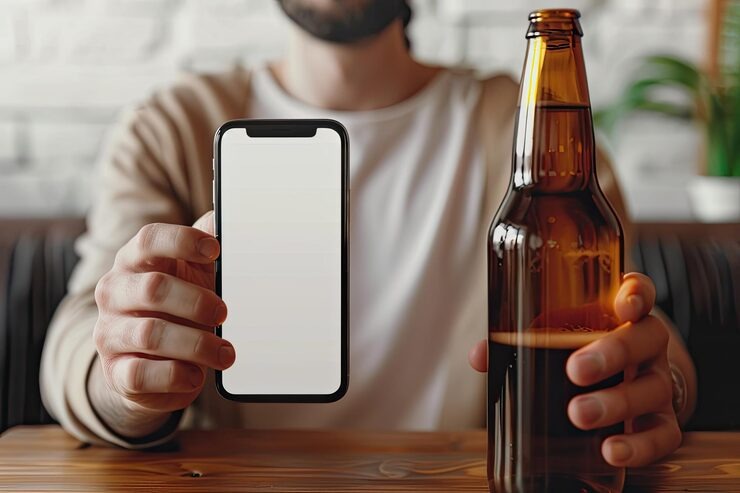
The practical answer, as this Alcohol Delivery Guide covers, is: when the recipient appears under 25, ID must be checked. For recipients who appear older, the driver may obtain a signed age declaration instead. Either way, there is always some form of at-door verification before handover.
Having a current, government-issued photo ID with a clearly visible date of birth is the cleanest way to handle this. Expired IDs, unclear screenshots, and “I left it in the other bag” are not useful alternatives at 11:30pm.
Does the Name on the Order Need to Match the ID?
This is where some customers get caught out. NSW requires the alcohol to be handed to an adult nominated by the purchaser. If the person at the door is unconnected to the order and there are no properly documented handover instructions covering their receipt, that creates a compliance problem quickly. “My housemate will grab it” is only smooth if the order setup actually supports that.
Can Someone Else Receive the Order on Your Behalf?
Potentially, but not casually. The important question is not whether another adult exists in the household. It is whether that person is the authorised recipient under the terms of the order and the delivery conditions. NSW’s framework is specific on this: the handover must go to an adult nominated by the purchaser, not simply anyone who answers the door.
Conclusion
Age verification in online alcohol delivery is not an obstacle. It is the structure that makes lawful delivery possible at all. Understanding how it works before you order means the whole process is quick, clean, and unsurprising from start to finish. Gluzzl’s process follows NSW’s requirements fully, making every handover both legally sound and practically straightforward when the customer is prepared.
FAQ
Q: Why do I need to show ID even if I have ordered from Gluzzl before? NSW requires returning customers to be authenticated before subsequent deliveries. Age verification is a recurring requirement, not a one-time check during account creation.
Q: What happens if the driver cannot verify my age at the door? The delivery will be refused. NSW prohibits handover of alcohol without proper age confirmation. The delivery cannot be completed and left to be retrieved later.
Q: Is a digital copy of my ID acceptable at the door? A clear, current, government-issued digital ID may be accepted depending on the operator’s policy, but a physical ID is always the safest option. Unclear screenshots or copies are generally not accepted.
About the Author