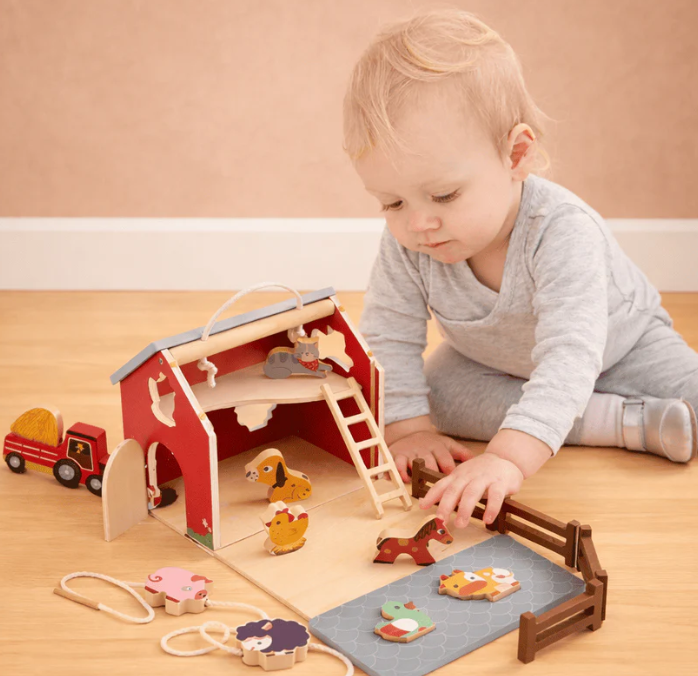
Wooden toys
Why Wooden toys Are Making a Beautiful Comeback
In a world filled with flashing lights and plastic gadgets, there’s something quietly magical about simplicity. Parents today are rediscovering the joy of traditional play, and Wooden toys are at the heart of this revival. These toys are not just objects for entertainment, they are tools for imagination, creativity, and meaningful childhood development.
Unlike modern electronic toys that often dictate how a child should play, wooden toys invite open-ended exploration. A simple wooden block can become a castle, a car, or even a spaceship, depending on a child’s imagination. This freedom fosters creativity in a way that preprogrammed toys simply cannot match.
Another reason for their growing popularity is sustainability. Many families are becoming more conscious of the materials they bring into their homes. Wooden toys are typically made from renewable resources and are biodegradable, making them a more environmentally responsible choice. They also tend to last longer, often being passed down from one generation to the next, carrying memories along with them.
The Developmental Benefits of Wooden toys
When it comes to child development, simplicity often leads to deeper learning. Wooden toys are designed to engage a child’s senses and encourage problem-solving skills. Their textures, weights, and natural finishes provide a sensory experience that plastic toys rarely offer.
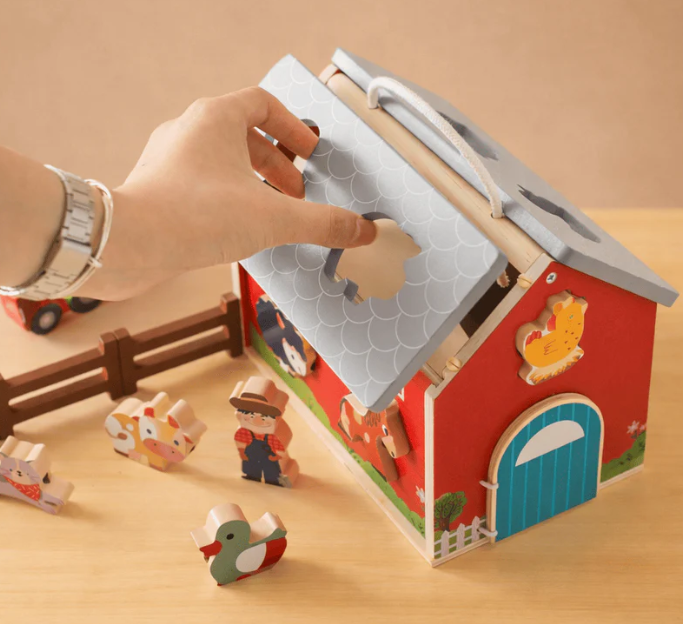
How Wooden toys Support Growth and Creativity
Children learn best when they are actively engaged and Wooden toys naturally promote Handson interaction. Whether it’s stacking blocks, solving puzzles, or roleplaying with wooden figures, these toys help develop fine motor skills and hand eye coordination.
Here are some key benefits that make them stand out:
- They encourage imaginative and independent play, allowing children to create their own stories and scenarios without limitations.
Beyond physical development, wooden toys also nurture emotional growth. Because they are often simpler in design, children project their own feelings and ideas onto them. This kind of play can help improve emotional intelligence and storytelling abilities.
Another overlooked advantage is their calming effect. Without loud noises or overstimulating features, wooden toys create a peaceful play environment. This can be especially beneficial for children who feel overwhelmed by too much sensory input.
Parents also appreciate the durability of wooden toys. Unlike plastic toys that can easily break, wooden ones are sturdy and resilient. This means fewer replacements and more value over time. Additionally, their timeless aesthetic often complements home décor, making them please to adults as they are engaging for children.
Conclusion
Choosing the right toys for a child is more than just entertainment it’s about shaping experiences and supporting growth. Wooden toys offer a perfect blend of tradition, creativity, and sustainability. They encourage children to slow down, think, and explore the world around them in a meaningful way.
In an age where technology dominates so much of daily life, returning to simple, natural playthings can feel refreshing. Wooden toys remind us that sometimes, less truly is more. They don’t just occupy a child’s time they enrich it, creating lasting memories and valuable life skills along the way.
About the Author