Healthcare professionals today navigate an ever-growing mountain of documentation, patient records, and compliance requirements. While patient care remains in the heart of medicine, administrative burdens often consume valuable time that could otherwise be spent improving outcomes. This is where technology steps in—not as a replacement, but as a powerful assistant. Among the most promising innovations reshaping modern healthcare is the AI medical scribe, a tool designed to simplify documentation while restoring focus on patient care.
How the AI medical scribe is Changing Patient Care
The emergence of the AI medical scribe marks a significant shift in how clinicians manage their daily responsibilities. Traditionally, doctors spent hours documenting patient interactions, often after clinic hours. This not only led to fatigue but also reduced the quality of work-life balance.
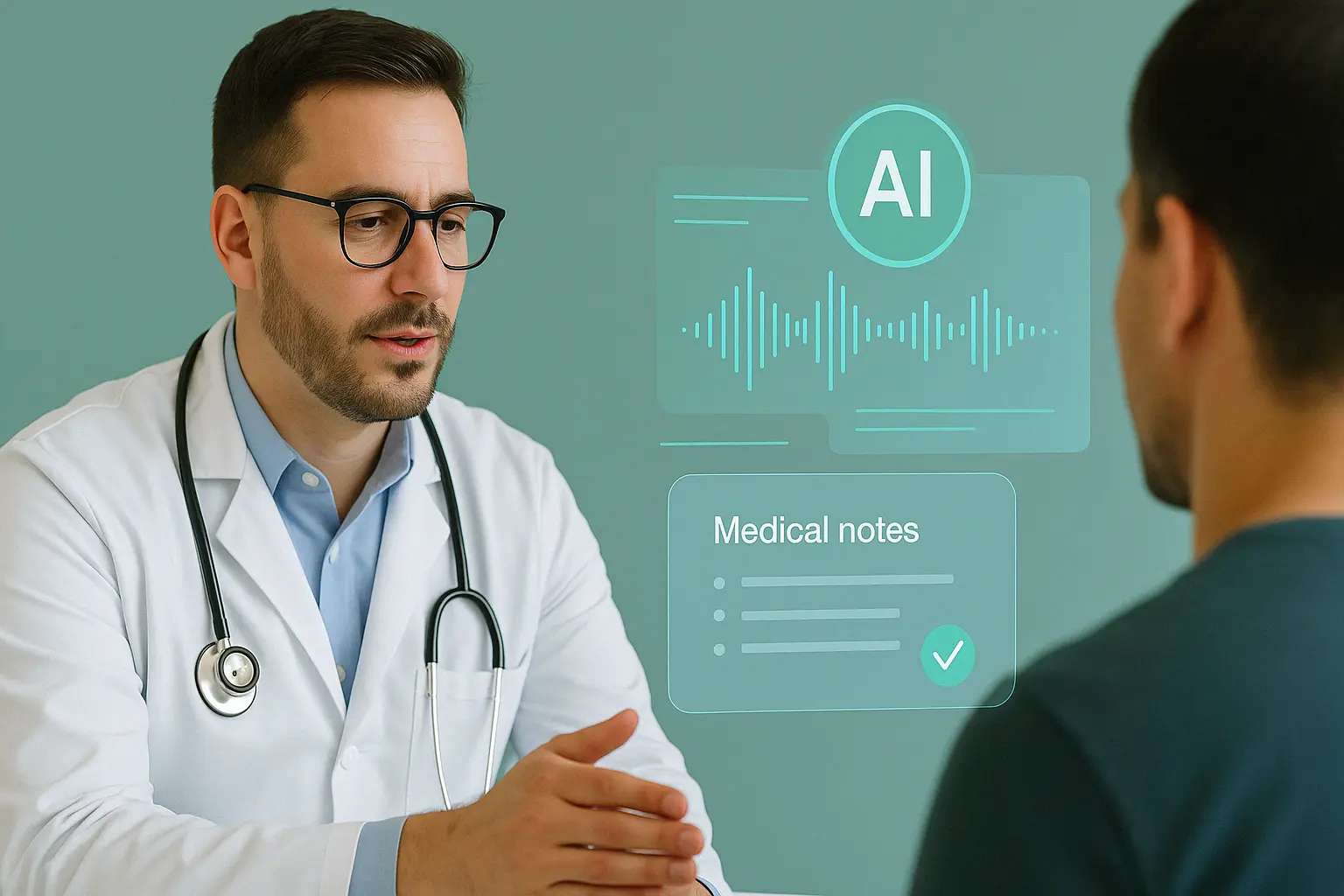
With intelligent automation, medical conversations are now captured, transcribed, and organized in real time. These systems use advanced natural language processing to understand clinical terminology, context, and intent. As a result, physicians can maintain eye contact with patients instead of being glued to screens.
More importantly, documentation becomes more accurate and consistent. Human error—such as missed details or incomplete notes—is minimized. This ensures better continuity of care and improved communication among healthcare teams.
Why Doctors Are Embracing Digital Assistance
Adoption of digital tools in healthcare is often slow, but the benefits of AI-driven documentation are hard to ignore. Physicians are increasingly recognizing how automation reduces burnout and enhances efficiency.
Instead of spending evenings catching up on paperwork, clinicians can complete their notes during consultations. This immediate documentation improves recall accuracy and allows for better clinical decision-making. Additionally, healthcare facilities benefit from improved billing accuracy and streamlined workflows.
- One key advantage is that it frees up significant time, allowing doctors to focus more on meaningful patient interactions rather than administrative tasks.
The Role of AI medical scribe in Clinical Accuracy
Accuracy in medical documentation is critical, not just for patient care but also for legal and compliance reasons. The AI medical scribe plays a vital role in ensuring that every detail is captured precisely.
These systems are trained on vast datasets of medical language, enabling them to recognize symptoms, diagnoses, and treatment plans with impressive precision. They can also adapt to different specialties, whether it’s cardiology, dermatology, or general practice.
Another notable benefit is consistency. Unlike manual documentation, which can vary based on fatigue or time constraints, AI-generated notes maintain a uniform standard. This consistency improves data quality across healthcare systems, making it easier to analyze trends and improve patient outcomes.

Challenges and Considerations
While the advantages are clear, adopting AI in healthcare does come with challenges. Data privacy remains a top concern, as patient information must be handled with the highest level of security. Healthcare providers must ensure that any AI solution complies with regulations and maintains confidentiality.
There is also the learning curve. Integrating new technology into existing workflows requires training and adjustment. However, most modern systems are designed with user-friendly interfaces, making the transition smoother than expected.
Conclusion
The future of healthcare is not about replacing human expertise but enhancing it. The AI medical scribe represents a powerful step forward in reducing administrative burdens while improving the quality of care. By allowing clinicians to focus on what truly matters—the patient—it brings humanity back to medicine.
As technology continues to evolve, tools like these will become an essential part of clinical practice. For healthcare professionals seeking efficiency, accuracy, and balance, embracing intelligent solutions is no longer optional—it’s the path forward.
About the Author