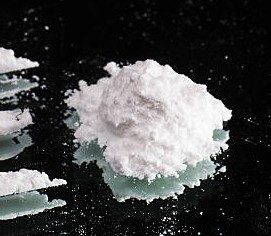
Cocaine use in Britain is often discussed in coded language that can be difficult for outsiders to understand. From nightlife conversations to online chats, different phrases are used to describe the drug without saying its actual name. Understanding Cocaine Deaths Per Year UK , helps parents, educators, and communities recognize when substance use may be involved. This article explains common terms, why they are used, how they influence culture, and the risks connected to cocaine use in the UK.
Why Slang Terms Develop Around Cocaine
Slang develops for many reasons. In drug culture, coded language is often used to avoid legal trouble or social judgment. It can also create a sense of belonging within certain groups.
In the UK, cocaine slang has evolved over time. Some words originate from street culture, while others are borrowed from music, films, or online communities. These terms may sound harmless, but they refer to a powerful and illegal stimulant.
The use of slang can sometimes reduce the perceived danger of the substance. When serious drugs are described with casual nicknames, the risks may seem less severe to new or young users.
Common Cocaine Slang UK Terms
There are many words used in Britain to describe cocaine. Some of the most common include “coke,” “snow,” “white,” “gear,” and “charlie.” These terms are often heard in nightlife environments or social gatherings.
Certain regional variations also exist. For example, some areas may use unique nicknames influenced by local culture or music trends. The terminology continues to evolve, especially through online platforms and social media.
It is important to note that slang does not change the drug’s effects. Regardless of what it is called, cocaine remains a stimulant that can cause addiction, heart problems, and even sudden death.
The Cultural Influence of Cocaine Language
Music, television, and social media have played a major role in normalizing drug-related slang. Lyrics and online content sometimes portray cocaine use as glamorous or linked to success and status.
When slang terms become popular, they can spread quickly among young people. This widespread use of cocaine slang uk can make conversations about drugs appear casual or even humorous.
However, behind the language lies a serious public health issue. The UK has seen increasing cocaine-related hospital admissions and fatalities in recent years. Casual language can hide the real dangers involved.
Online Availability and Modern Trends
The digital age has changed how illegal substances are marketed and distributed. Some websites claim to offer discreet delivery services. For example,promotes itself as a mail-order cocaine shop in the UK with customer support and quality products.
Despite such claims, it is crucial to understand that cocaine is illegal in the UK. Purchasing or possessing it can result in serious legal consequences. Beyond the legal risks, there are also significant health dangers.
Online access may increase exposure to drug culture, especially among young adults who are already familiar with internet shopping. This shift has contributed to wider availability and potentially greater misuse.
Health Risks Behind the Slang
No matter what nickname is used, cocaine carries serious risks. It increases heart rate and blood pressure, placing strain on the cardiovascular system. This can lead to heart attack, stroke, or seizures.
Short-term effects may include increased energy and confidence, but these are temporary. After the initial high fades, users often experience anxiety, irritability, and fatigue.
Long-term use can result in addiction, mental health disorders, and physical damage such as nasal tissue erosion. Mixing cocaine with alcohol creates a toxic compound called cocaethylene, which significantly raises the risk of sudden death.
Understanding slang terms is not about promoting drug use. It is about awareness and prevention. When communities recognize the language, they can respond more effectively.
Why Awareness Matters
Parents and educators may hear unfamiliar terms in conversations or online messages. Recognizing that these words relate to cocaine can help initiate early discussions.
Open communication reduces stigma and encourages individuals to seek help if needed. Rather than reacting with fear or anger, informed conversations can focus on safety and well-being.
Workplaces also benefit from awareness. Employers who understand modern drug terminology can identify potential issues earlier and provide appropriate support.
Legal Consequences in the UK
Cocaine is classified as a Class A drug under UK law. Possession, supply, or production can lead to severe penalties, including imprisonment and heavy fines.
Even if someone believes they are purchasing from a “trusted” online source, the legal risks remain the same. Law enforcement agencies actively monitor drug distribution networks, including digital platforms.
Understanding slang may help individuals recognize risky situations before they escalate into legal trouble.
Prevention and Education Strategies
Education remains one of the most effective prevention tools. Schools and universities should include clear discussions about drug terminology and associated risks.
Community programs can also raise awareness about the dangers hidden behind casual language. Providing accurate information about physical and mental health consequences empowers individuals to make informed decisions.
Mental health support is equally important. Many people turn to stimulants to cope with stress or emotional challenges. Access to counseling and support services can reduce this risk.
Cocaine Slang UK: A Conversation Worth Having
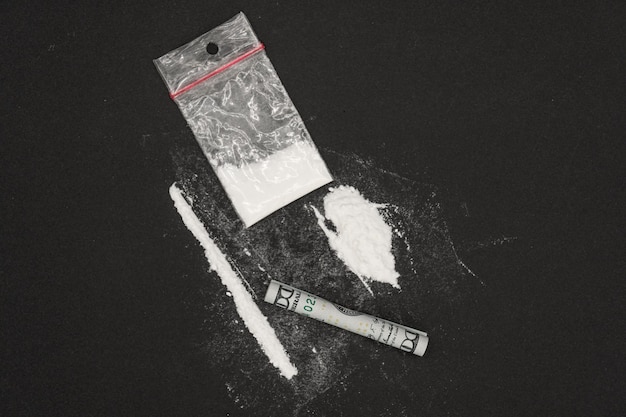
When discussing Cocaine Slang UK in everyday conversations, the goal should not be curiosity but understanding. Knowing the terminology helps communities stay informed and proactive. It allows families to identify warning signs, start meaningful discussions, and prevent potential harm.
Language evolves, but the dangers of cocaine remain constant. By staying informed, individuals can protect themselves and others from serious consequences.
Conclusion
Cocaine Slang UK terms are widely used in social and online environments, often masking the serious risks associated with the drug. Slang develops for cultural and practical reasons, but it can reduce the perceived danger of cocaine. Increased online access and normalization in media have contributed to wider awareness and use of these terms. Understanding the language behind cocaine is an important step in prevention, education, and early intervention. Clear information and open communication can help reduce harm and promote safer choices.
Frequently Asked Questions
Q1. Why is cocaine referred to by slang terms in the UK?
Slang is often used to avoid legal detection, reduce stigma, or create a sense of belonging within certain groups.
Q2. Is understanding cocaine slang encouraging drug use?
No, understanding the terminology promotes awareness and helps communities recognize potential risks earlier.
Q3. What should someone do if they suspect cocaine misuse?
Start an open and non-judgmental conversation and encourage seeking professional medical or counseling support if necessary.
About the Author